


Comprehensive Guide to Modern Dental Crowns and Bridges
Dental health impacts more than just a smile; it affects nutrition, speech, and self-confidence. When teeth become severely damaged or go missing altogether, everyday activities like chewing and speaking can become difficult. Restorative dentistry offers reliable, long-term solutions to these challenges through the use of dental crowns and bridges. These fixed prosthetic devices are permanently cemented onto existing teeth or implants, successfully restoring both the function and beauty of a natural smile.
Understanding Dental Crowns
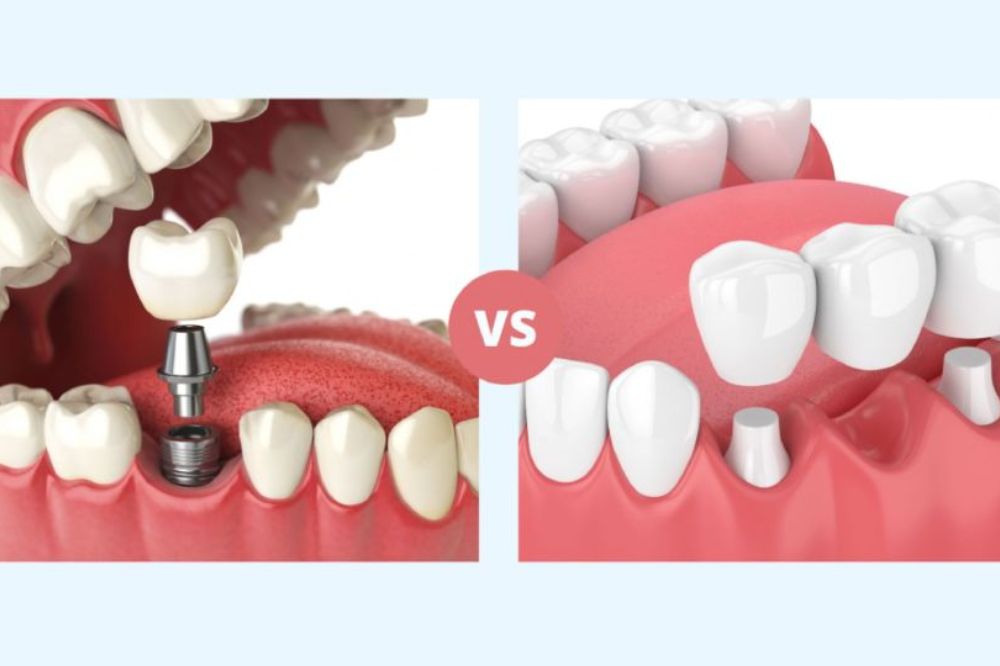
A dental crown is a custom-made cap that completely covers a damaged, weak, or decayed tooth. It acts as a protective shield, encasing the visible portion of the tooth down to the gum line. Dentists utilize crowns to restore a tooth’s natural shape, size, strength, and overall appearance.
There are several scenarios where a crown is the ideal clinical choice. It is frequently used to protect a tooth weakened by large cavities, preventing it from fracturing under pressure. Crowns also restore teeth that are already broken, fractured, or severely worn down. Additionally, they are standard treatment following a root canal therapy to reinforce the remaining tooth structure, and they serve as the visible “tooth” attached to a dental implant.
Understanding Dental Bridges
While a crown treats a single compromised tooth, a dental bridge is designed to replace one or more missing teeth entirely. A bridge literally bridges the gap created by missing teeth, relying on the surrounding oral structure for stability.
A traditional bridge consists of two main components:
- Abutment Teeth: The healthy natural teeth or dental implants located on either side of the empty space. These serve as the foundational anchors for the entire structure.
- Pontics: The artificial, custom-designed false teeth positioned in the middle to fill the gap.
By filling these gaps, bridges prevent the remaining natural teeth from shifting out of place, which could otherwise lead to bite misalignment, jaw pain, or localized tissue damage.
Choosing the Right Materials
Modern dentistry utilizes advanced materials tailored to individual patient needs, biting forces, and aesthetic preferences:
- Zirconia and Ceramics: These materials boast incredible fracture toughness. They are highly recommended for patients who grind their teeth or for back molars that endure heavy biting loads.
- Porcelain-Fused-to-Metal (PFM): PFM restorations combine the structural strength of an internal metal alloy with a porcelain exterior. This provides a highly natural look that can be precisely color-matched to the surrounding teeth.
- Gold and Metal Alloys: Composed of gold, platinum, or base metals, these options are exceptionally durable and rarely chip. Because of their metallic color, they are typically reserved for out-of-sight back molars.
Longevity and Maintenance
With meticulous oral hygiene and routine dental cleanings, crowns and bridges can last anywhere from 10 to 15 years, and often much longer. Maintenance is straightforward but critical. Patients must brush twice daily with fluoride dr hana dentist toothpaste and floss thoroughly. For bridge wearers, specialized threaders or interdental brushes are necessary to clean beneath the artificial tooth where plaque can accumulate. Avoiding exceptionally hard foods, such as ice or hard candies, further protects these restorations from chipping, ensuring a healthy, functional smile for a lifetime.